

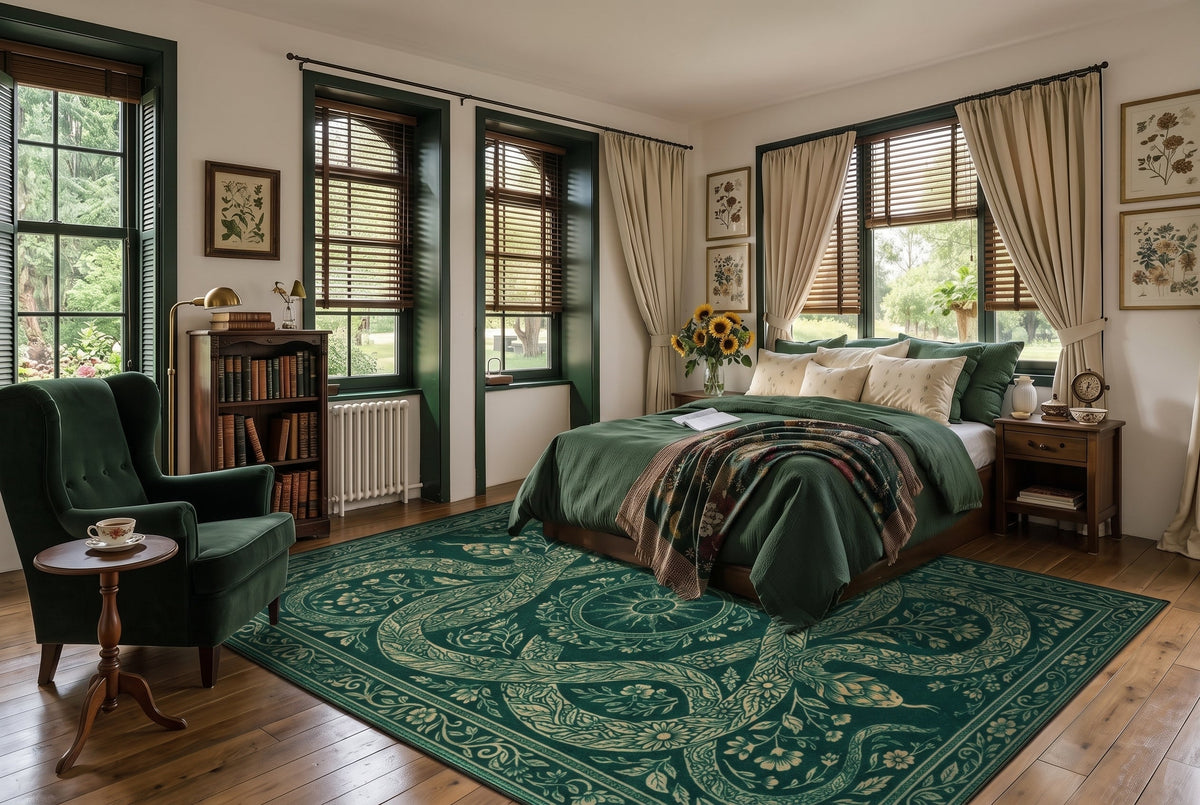
In recent years, modern interior design has been largely defined by a pursuit of stark minimalism—clean lines, uncluttered surfaces, and a restrained color palette designed to bring calm to chaotic lives. Yet, as we spend more time inhabiting these streamlined spaces, many of us begin to notice a subtle void. A room stripped entirely of ornament can sometimes tip past serenity into sterility, feeling more like a pristine showroom than a lived-in sanctuary.
How do we retain the clean, breathable grace of modern design while introducing the soul, depth, and narrative richness of a curated home? The answer lies in one of the most sophisticated styling techniques favored by top interior designers: intentional rug layering.
Moving Past Stark Minimalism into Layered Warmth
Layering textiles is not about adding clutter; it is about building visual depth. Just as a well-composed outfit relies on the interplay of a tailored coat over a textured knit, a room comes alive when textures are allowed to converse with one another.
By placing a smaller, character-rich accent rug over a larger, neutral base, you break the monotony of a flat floor plane. This technique introduces historical weight and tactile variety, transforming a static room into a dynamic landscape of design.
The Rules of Contrast: Pairing Without Clashing
The secret to successful rug layering lies in deliberate contrast. If two pieces are too similar in size, color, or pattern, the composition becomes visually confused. To achieve a masterclass look, keep these principles in mind:
-
Scale and Proportion: Start with a large, neutral base rug (such as a textured jute, oat-toned weave, or subtle low-pile design) that extends well beyond your furniture. Then, layer a smaller, statement vintage-inspired piece on top, typically framing a coffee table or seating cluster.
-
Texture and Thickness: Balance a flat or low-pile foundation with a richly detailed, multi-lobal fiber overlay. This creates a tactile dialogue underfoot that feels both rich and intentional.
-
The SERISSA Approach: At SERISSA, our vintage-designed, low-pile rugs are engineered precisely for this style of curation. Because they feature a stable, non-slip TPE backing, the layered top rug stays securely locked in place over your base layer, eliminating the frustration of sliding or bunching.
Defining Focal Points and Spatial Stories
In an open-concept layout or a sprawling living room, layering acts as an optical highlighter.
A secondary layered rug draws the eye directly toward curated moments within the home—a fireside reading nook, a conversation cluster, or an intimate sitting area. It allows you to introduce bold, narrative-driven patterns (such as faded medallions or muted historical motifs) without overwhelming the surrounding architecture. You maintain the breathing room of the base layer while telling a rich story in the focal center.
Balancing Simplicity and Richness
True luxury is found in the balance between restraint and expression. Layering allows you to experiment with rich, historical depth while keeping the overall aesthetic clean, modern, and uncluttered. It is an invitation to curate your space with confidence, turning the floor beneath your feet into a canvas of sophisticated storytelling.