

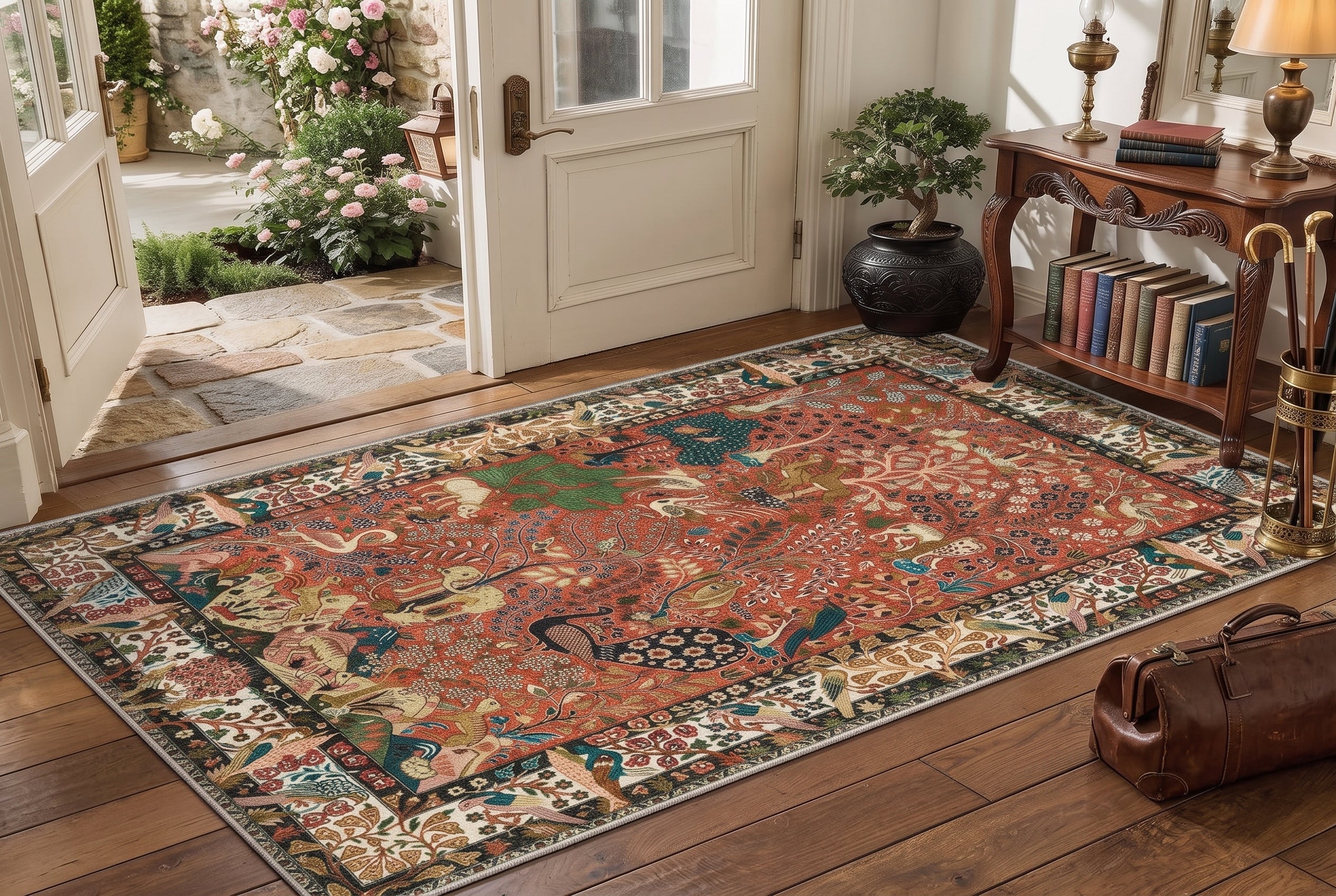
We often think of interior design as a visual pursuit—a matter of color palettes, light, and geometry. Yet, the most profound impact a home has on our well-being is often felt not through our eyes, but beneath our feet.
There is a specific, almost ritualistic moment at the end of a long day: the pause at the entryway, the shedding of shoes, and the first step onto the carpet. In that transition, the body undergoes a subtle but powerful physiological shift. It is the moment we stop performing for the world and begin to inhabit ourselves.
The Psychology of the "Soft Landing"
Psychologically, the home serves as our emotional anchor. When we enter, our nervous system is often still tuned to the frequencies of the outside world—the tension of deadlines, the noise of traffic, the constant digital hum.
Texture is the antidote to this friction. When you step onto a high-quality, plush-pile rug, the immediate tactile sensation signals to the brain that the environment has changed. It is a biological cue for "safety." The grounding sensation of a soft surface encourages the shoulders to drop, the breath to deepen, and the gait to slow. It is the physical manifestation of leaving the day behind. Research into environmental psychology suggests that "softness" in a space directly correlates with a reduction in cortisol levels; it isn't just a comfort, it is a physiological necessity for recovery.
The Sensory Narrative of the Floor
Why does the sensation of softness feel so essential to our peace of mind? It is rooted in our primal need for comfort. A space that only features hard surfaces—wood, tile, stone—can feel visually striking, but it often lacks a "sensory anchor."
A rug acts as a soft-focus lens for a room. It dampens the acoustic harshness of a space, turning echoes into intimacy. Consider the way sound moves in a room without a rug: the echoes of your own footsteps can create a sense of unease or "unfinishedness." A well-placed rug absorbs these vibrations, creating a silent, velvet-like cocoon. When your feet encounter the delicate, low-pile weave of a well-crafted rug, the brain processes the texture as a form of care. It is a subtle confirmation that you are no longer in a space of transition or transit, but in a space designed for stillness.
The Architecture of Comfort
We often overlook how "texture density" dictates our perception of value. A rug that is too thin or flimsy feels temporary; a rug with a precise, low-pile construction and a robust backing feels permanent—it holds its shape, mirroring the stability we seek in our own lives. This is where the marriage of design and physics matters. When you step onto a rug that doesn’t bunch or slip, the lack of "surprise" or "instability" allows your mind to fully disengage from physical navigation and finally rest.
Crafting the Transition
At SERISSA, we view the rug as more than an accessory; we view it as a vessel for this transitional experience.
When designing the texture of our rugs, we focus on that exact moment of contact—the "first step." We opt for high-quality polyester fibers that mimic the luxury of traditional wool while offering a modern, plush resilience. Our focus on "bare-foot friendliness" isn't just about softness; it’s about ensuring that the material is free from the scratchiness of coarse synthetics, which would otherwise disrupt that delicate feeling of relaxation. It is a tactile experience designed to be supportive, ensuring that the first feeling you have when you return to your sanctuary is one of comfort, not just utility.
A Ritual of Return
Your home is the only place in the world where you are truly, authentically yourself. It should be designed to honor that state.
Consider your space not just as a collection of furniture, but as a sensory landscape. By choosing textures that invite you to slow down, you are doing more than decorating; you are curating your own emotional restoration.
Tonight, when you return home and slip off your shoes, pay attention to that first contact. Notice how the space receives you. That small, quiet friction between foot and fiber is the threshold of your sanctuary. It is the moment the day ends, and the life you have carefully cultivated begins.